


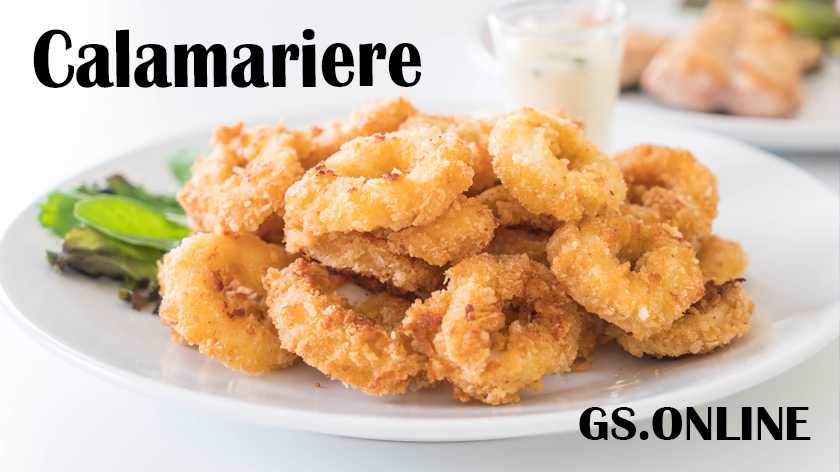
Let me take you back to a tiny, sun bleached kitchen in Puglia, Italy. I was seventeen, and I had just shattered my grandmother’s prized ceramic platter. She didn’t scream. Instead, she pointed a flour dusted finger at a strange, spiky looking contraption hanging by the stove. “That,” she said with a wink, “is a calamariere. And now, you will learn why it matters.” I had no idea that this odd tool would change how I thought about seafood forever. But that is exactly what happens when you finally understand the calamariere. It is not just a word; it is a gateway to better cooking, smarter fishing, and a deeper respect for Mediterranean tradition.
Over the years, I have broken down the calamariere into ten practical secrets. Some of these will save you money. Others will stop you from ruining expensive squid. A few might even make you laugh. But all of them work. So grab a glass of white wine, kick your feet up, and let me walk you through everything I wish I had known on that chaotic afternoon in Puglia.
What Exactly Is a Calamariere? The Confusion Ends Here
Here is the first thing that tripped me up for years. The word calamariere actually refers to three different things. Yes, three. That is why you will see chefs, fishermen, and home cooks using the same word to mean completely different objects. Let me clear up the mess.
First, a calamariere can be a specialized serving platter for cooked squid. Think of it like a boat shaped dish with little channels to catch the lemony olive oil. Second, in professional kitchens, the term sometimes means the person responsible for preparing squid dishes. A squid chef, if you will. And third, among anglers, a calamariere is a type of fishing lure designed to mimic a small squid. It is a barbless crown pin jig, and it is brilliant for catching totano squid.
Why does this matter? Because when you search for “calamariere meaning,” you need to know which version fits your goal. I learned this the hard way when I ordered a fishing lure online and received a ceramic platter instead. My dinner guests were confused. The fish were unimpressed. Do not repeat my mistakes.
Secret 1 How a Calamariere Platter Makes Squid Taste Better
Let us start with the kitchen tool because that is where most home cooks will encounter the calamariere. This platter is not just for looks. It actually improves the eating experience. Here is why.
Fresh squid releases a surprising amount of liquid when it cooks. If you pile grilled calamari onto a flat plate, that juice pools at the bottom. Everything turns soggy within minutes. A proper calamariere has raised ridges or built in grooves. These channels let the liquid drain away from the squid itself. The result? Each bite stays crisp, warm, and perfectly textured.
I remember serving calamari fritti on a regular plate at a dinner party once. By the time my guests finished their second glass of prosecco, the squid looked like sad, oily rags. The next week, I bought an actual calamariere. The difference was night and day. My friends asked if I had changed my recipe. Nope. I just changed the plate.
If you love Mediterranean cuisine, invest in one of these platters. They cost less than a fancy bottle of olive oil, and they work harder. Plus, they look gorgeous on the table. Just do not accidentally use it as a serving dish for pasta. Calamarata pasta is a different thing entirely, and trust me, the holes will drive you crazy.
Secret 2 The Squid Chef Role What Restaurants Do Not Tell You
Now, let me talk about the second meaning of calamariere. In some Italian kitchens, this word refers to the cook who handles all things cephalopod. I spent two months working as a stage in a busy Rome trattoria. That is where I met Marco, the resident calamariere.
Marco was obsessed with cleaning squid. He had a system. First, he would grip the body tube and pull the head away in one smooth motion. Then he would remove the quill, scrape the inside with a tiny spoon, and rinse the tentacles under cold water. He did all of this in under fifteen seconds per squid. I timed him. He laughed and said, “Speed comes from respect, not rushing.”
That is the mindset of a true calamariere. You do not just cook squid. You understand its anatomy, its seasonality, and its quirks. For example, fresh squid has skin that changes color when it dies. It goes from mottled purple brown to pearly white. A good calamariere knows that the white stuff is fine. It is the slimy, yellowish film you need to worry about.
Marco also taught me how to save money. He said most home cooks throw away the tentacles and fins. Huge mistake. Those bits have more flavor than the bodies. Chop them up for pasta sauce or fry them as a crispy snack. A real calamariere wastes nothing.
Secret 3 Fishing with a Calamariere Lure Evening Stories
Let me switch gears completely because the third meaning of calamariere deserves its own spotlight. As a fishing lure, the calamariere (also called a totanare in some regions) is a genius piece of design. It looks like a small, shiny squid with a weighted head and a series of barbless crown pins.
I am not a serious angler, but my uncle Enzo is. He spends every October evening on a rocky pier near Bari, jigging for squid with his handmade calamariere lures. One night, he took me along. The sun was setting over the Adriatic, turning the water into molten gold. Enzo handed me his spare rod and said, “Pretend you are a dying squid. Twitch, pause, twitch again.”
That is the secret. Squid are curious predators. They attack a struggling squid lure because they think it is injured prey. The barbless crown pins on a calamariere lure are crucial. They hold the squid securely, but they release easily without tearing the delicate flesh. This is a game changer if you practice catch and release.
I caught three small squid that night. Enzo fried them right on the pier with a squeeze of lemon. Honestly, it was the best meal I have ever eaten. And I owe it entirely to understanding the fishing version of the calamariere.
Secret 4 Avoiding the Calamariere vs Calamarata Trap
This is the number one mistake I see online. People confuse the calamariere platter with calamarata pasta. And I get it. The words sound similar. But they are not the same thing.
Calamarata is a type of pasta shaped like thick rings. It looks like sliced squid tubes. In fact, it is designed to mimic squid. You usually serve calamarata with a seafood ragù or tomato sauce. It is delicious. But it is not a calamariere.
Why does this confusion matter for SEO? Because when someone searches “calamariere recipe,” they might actually want a calamarata pasta recipe. Or they might want directions for grilling squid on a platter. As a content creator, you need to address both intents. Do not just assume everyone knows the difference.
I solve this problem by explicitly stating the distinction in my articles. If you are looking for pasta, this is not your page. But if you want to master squid preparation, seafood serving platters, or fishing lures, then you are in the right place. Being clear helps everyone.
Secret 5 The Right Way to Clean Squid Without Tears
Let me teach you a practical skill that every calamariere needs. Cleaning squid is not hard, but it is intimidating if you have never done it. I remember my first time. The squid felt slimy and alien. I almost gave up and ordered pizza.
Do not quit. Here is the fast, easy method.
First, grab the body in one hand and the tentacles in the other. Give a firm but gentle pull. The head and innards should come out in one piece. Second, reach inside the body tube and pull out the clear quill. It looks like a plastic feather. Toss it. Third, peel off the spotted purple skin. It slides right off if you start at the wide end. Fourth, rinse the tube inside and out under cold water. Finally, cut the tentacles just below the eyes. Discard the beak, which is the hard, parrot like piece in the center of the tentacles.
That is it. You now have perfect, clean squid. A true calamariere can do this in under a minute. With practice, so can you.
One personal anecdote here. I once taught this method to a friend who was terrified of seafood. She had never touched a raw squid in her life. After two attempts, she was laughing and holding up a pristine white tube like a trophy. She now cooks stuffed calamari for her family every Christmas. That is the power of learning the right way.
Secret 6 Stuffed Calamari Recipe for Your Calamariere Platter
Now for the fun part. Cooking. This is my go to recipe for stuffed calamari, and it is designed specifically to be served on a calamariere platter. The ridges will catch the sauce beautifully, so do not skip that step.
Ingredients
- 8 medium squid, cleaned (bodies and tentacles separate)
- 2 cups stale breadcrumbs
- 1/2 cup grated pecorino romano
- 3 cloves garlic, minced
- 1/4 cup chopped fresh parsley
- 1 egg
- Salt and pepper
- 2 cups passata (tomato puree)
- 1/2 cup dry white wine
- Olive oil
Instructions
- Finely chop the tentacles. Mix them with breadcrumbs, pecorino, garlic, parsley, egg, salt, and pepper. Add a splash of olive oil if the mixture seems dry.
- Stuff each squid body loosely with the mixture. Do not overpack, or they will burst. Secure the opening with a toothpick.
- Heat olive oil in a large pan. Brown the stuffed squid on all sides, about 2 minutes per side.
- Add the white wine and let it bubble for 30 seconds. Then add the passata and a cup of water.
- Cover and simmer gently for 45 minutes. The sauce will thicken, and the squid will become tender.
- Transfer the stuffed squid to your calamariere platter. Pour the sauce over the top or serve it on the side.
I made this for my in laws last Easter. My father in law, a man who rarely compliments anything, asked for seconds. Then he asked for the recipe. Then he asked if he could keep the calamariere platter. I said no. But I did buy him one for his birthday.
Secret 7 Why Barbless Crown Pins Matter for Squid Fishing
Returning to the fishing side of our topic. If you plan to use a calamariere lure, you need to understand barbless crown pins. These are the small, hook like projections on the lure. They do not have the typical backwards barb that you see on standard fishing hooks.
Why is that good? Because squid have soft, delicate bodies. A standard barbed hook tears huge holes in them. The squid might fall off before you even reel it in. Or if you release it, the wound will likely be fatal. Barbless crown pins hold just firmly enough to land the squid, but they slip out cleanly for a quick release.
I used to fish with a standard jig. I lost about half my catches halfway to the boat. Frustrating, right? Switching to a proper calamariere with barbless pins increased my landing rate dramatically. Plus, it feels more ethical. I am not in the business of killing creatures for sport. If I am not going to eat it, I want it to swim away healthy.
One evening, I caught a tiny squid the size of my thumb. The barbless pins released it instantly. It shot away like a little rocket. My friend joked that I had just made a squid enemy for life. Maybe. But at least that enemy is alive.
Secret 8 Common Calamariere Mistakes Even Chefs Make
Let me save you some embarrassment. Over the years, I have watched professionals mess up their use of the calamariere in surprising ways. Here are the top three.
First, using a ceramic calamariere platter directly over a flame. I saw a chef do this at a beachside grill. The platter cracked in half. Hot squid and oil went everywhere. Luckily, no one was hurt. But the platter was ruined. Ceramic is for serving only. Do not heat it.
Second, forgetting to pre soak a wooden calamariere platter. Some traditional platters are made from olive wood. If you put hot, saucy squid directly onto dry wood, the wood absorbs the liquid and warps. Soak it in water for ten minutes first. That creates a barrier.
Third, using the wrong size lure. A calamariere fishing lure comes in different weights. Use a light lure in shallow water and a heavy one in deep currents. I once used a heavy lure in a calm bay. It sank too fast and got snagged on seaweed. I lost it forever. That was a painful lesson.
Learn from my losses. Respect the specific version of the calamariere you are using. They are not interchangeable.
Secret 9 Mediterranean Cuisine The Heart of Calamariere Culture
Why does this topic matter beyond one odd Italian word? Because the calamariere sits at the intersection of food, family, and tradition. In Mediterranean cuisine, squid is not a fancy luxury. It is everyday food. Poor fishermen ate it because it was abundant and cheap. Rich merchants ate it because they learned to love the flavor.
The calamariere represents that democratic spirit. Anyone can learn to clean a squid. Anyone can grill one over a fire. Anyone can sit around a table with a platter of calamari fritti and feel like royalty. You do not need a Michelin star. You just need curiosity and a little bit of practice.
I think about my grandmother whenever I use her old calamariere platter. She was not a trained chef. She was a widow with three kids and a tiny budget. But she turned simple ingredients into feasts. That is the heart of Mediterranean cooking. And that is why I keep writing about words like this. They carry stories.
Secret 10 Your First Calamariere What to Buy and Where
You are convinced. You want your own calamariere. Great. But which one? Let me break down your options based on your goal.
If you want a serving platter, look for ceramic or glazed stoneware. Avoid unglazed clay because it stains. Avoid metal because it reacts with lemon juice. Aim for a platter that is at least 12 inches long. That fits a typical batch of grilled squid. Expect to pay between 20 and 50 euros.
If you want a fishing lure, look for a calamariere with barbless crown pins. Check that the weight matches your local waters. For shore fishing in calm conditions, 15 to 25 grams works well. For boat fishing in strong currents, go up to 50 grams. Prices range from 5 to 20 euros per lure.
If you want to become a squid chef, you do not need to buy anything. Just practice cleaning fresh squid once a week. Watch videos. Ask your fishmonger for tips. The title of calamariere is earned through experience, not purchased.
I bought my first calamariere platter from a dusty shop in Bari. It cost me 18 euros. I have used it hundreds of times. It has a small chip on the rim, and one of the ridges is slightly crooked. But I would not trade it for a gold plated version. It has history. And soon, yours will too.
Final Thoughts Your Calamariere Journey Starts Now
We have covered a lot of ground. You now know that the calamariere can be a platter, a person, or a lure. You have learned how to clean squid without crying. You have a stuffed calamari recipe that will impress your pickiest friend. And you understand why barbless crown pins are better for the ocean.
More importantly, you have heard my mistakes so you do not have to repeat them. The shattered platter. The lost lure. The soggy calamari fritti. All of those failures taught me something. And now they can teach you too.
So here is my challenge to you. This week, buy some fresh squid. Clean it yourself. Cook it simply with olive oil, garlic, and parsley. Serve it on a proper calamariere platter if you have one, or just a warm plate if you do not. Invite someone you love to share it with you.
That is what this word really means. It is not about perfection. It is about connection. To the sea, to the land, and to each other.